Pro Charlotte Locksmiths Service Team
Local locksmith team
Sep 3, 2026 10 min read
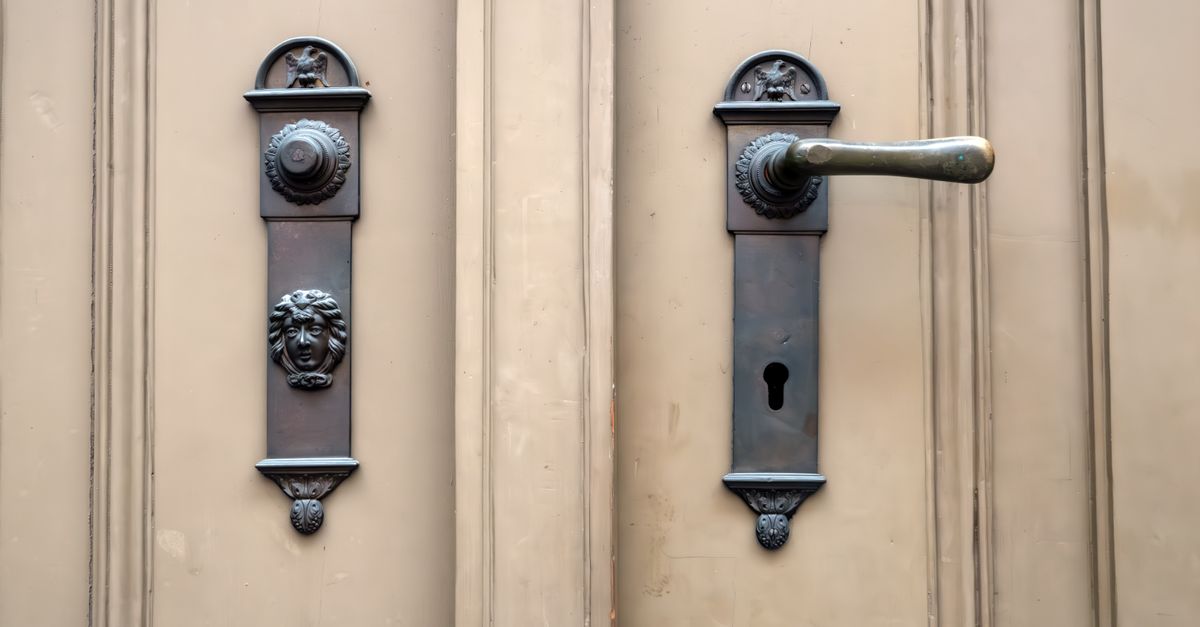
If you've ever bought or toured an older home in Charlotte's historic neighborhoods — think Dilworth, Plaza Midwood, or NoDa — you've probably run into a lock that looks nothing like the standard knob-and-deadbolt combo on most modern doors. It's bigger, heavier, and sits flush inside the door itself. That's a mortise lock, and far from being outdated hardware to replace, it's often a sign of genuinely superior craftsmanship that's built to last generations.
Understanding what you have — and knowing when to repair, rekey, or upgrade it — can save you time, money, and a lot of frustration. Whether you're a new homeowner in Fourth Ward, a landlord managing a Bungalow Court rental, or simply trying to figure out why your skeleton key stopped working, this guide breaks down everything you need to know about mortise locks in plain language.
## What Is a Mortise Lock — and How Does It Actually Work?
A mortise lock is a lock mechanism that is installed inside a pocket, or 'mortise,' cut directly into the body of the door. Unlike a standard tubular lock — the kind you'd find paired with a basic door knob with lock and key on most new construction — a mortise lock is a self-contained unit that houses the latch, the deadbolt, and sometimes additional security pins all within one rectangular steel case. The visible trim on the door face (called the escutcheon plate) holds the knob or lever and the keyhole, but the real mechanical work happens inside the door itself.
This design gives mortise locks a distinct mechanical advantage. Because the lock body is recessed deep into the door's edge rather than surface-mounted through a drilled hole, it distributes force across a much larger area of the door frame. A solid kick or a pry attempt that might pop a cheaper cylindrical lock out of place has far more material to work against with a mortise set. The mortise lock cylinder — the plug that accepts the key and turns the internal cam — can also be swapped out independently, which makes rekeying and upgrading more straightforward than replacing the entire lockset.
## Why Older Charlotte Homes Are Full of Mortise Locks
Charlotte's older neighborhoods were built during an era when mortise locks were the standard for any quality residential or commercial door. Homes constructed in Dilworth from the 1910s through the 1940s, the craftsman bungalows along The Plaza, and the early commercial buildings in Uptown Charlotte all came fitted with heavy-duty mortise lock sets because that's simply what was available and trusted at the time. Brands like Corbin Russwin mortise lock hardware and Baldwin mortise lock sets were specified by builders and architects who expected these mechanisms to perform for decades — and in many cases, they have.
The challenge today is that these same locks are now 70 to 100 years old. The internal springs fatigue, the cam wears, the mortise lock cylinder develops play from years of use, and the tailpiece connecting the cylinder to the bolt mechanism can crack. Add in Charlotte's humidity swings between summer and winter and the way older door frames can shift and settle over time, and you have a recipe for a lock that sticks, drags, or fails entirely — often at the worst possible moment.
## Mortise Lock vs. Modern Locksets — What's Actually Different?
The most common modern alternative to a mortise set is a cylindrical or tubular lock: a knob or lever with a spring latch, paired separately with a deadbolt. This setup requires two holes drilled through the door face and is fast and inexpensive to install, which is why it dominates new construction. However, the lock components are smaller, and the deadbolt and latch are independent mechanisms that don't work together. A mortise lock set, by contrast, integrates everything into one robust unit with a longer throw bolt, making it inherently more resistant to common forced-entry attempts.
For a mortise lock set exterior door application, the real-world difference is even more pronounced. Exterior mortise sets typically include a full deadbolt with a one-inch throw, an automatic latch for convenience, and a keyed cylinder on both sides or a thumb-turn on the interior. Some vintage sets also include a privacy function built in — something you'd need a separate hardware piece to replicate with a standard knob-and-deadbolt combo. The tradeoff is that mortise locks require a skilled hand to service or replace, since any adjustment involves working inside the door body rather than swapping a visible component.
## How a Professional Locksmith Charlotte Services a Mortise Lock
Servicing a mortise lock is not a straightforward DIY task, and this is important for Charlotte homeowners to understand before attempting it themselves. The lock case must be removed from the mortise pocket, which requires releasing the set screws on the face plate, drawing out the cylinder, and carefully extracting the case without damaging the surrounding door material — which in older homes is often irreplaceable old-growth wood. Once inside, a trained locksmith can diagnose worn springs, replace the mortise lock cylinder, lubricate the internal cam and lever stack, and reinstall everything with proper alignment so the bolt engages the strike plate cleanly.
If you are currently locked out of a home with a mortise lock, the right first step is always to check for a spare key with a neighbor or family member and to verify whether any secondary entrance — a back door or garage — is accessible. Beyond that, call a professional. At Pro Charlotte Locksmiths, our experienced technicians carry the specialized tools and replacement cylinder hardware to service most residential and commercial mortise lock sets on the spot. We work across the Charlotte area, from the historic bungalows of Chantilly to the older commercial storefronts along Central Avenue, and we're available around the clock. If you need help right now, call (704) 900-1321 — we answer 24/7.
Here is a snapshot of what our team handles every day across the Charlotte area: residential lockout service, commercial lockout service, mortise lock repair and replacement, mortise lock cylinder rekeying, deadbolt installation and upgrade, lock rekey after a move or tenant change, smart lock installation and programming, high-security lock installation, master key system design and setup, access control installation for commercial properties, safe opening and combination changes, safe installation, car lockout service, car key replacement, transponder key programming, key fob replacement and programming, broken key extraction from door locks and ignitions, door lock repair after attempted break-in, sliding door lock repair and replacement, padlock opening and replacement, mailbox lock replacement, garage door lock service, lock hardware consultation for historic homes, door hardware installation for new construction, and after-hours emergency locksmith response for both residential and commercial clients.
## Should You Keep, Repair, or Replace Your Mortise Lock?
This is the most practical question homeowners in older Charlotte neighborhoods ask us, and the honest answer depends on the condition of the hardware and your security goals. A mortise lock that is structurally sound but sluggish or sticky can almost always be restored with a thorough cleaning, lubrication, and a cylinder swap — often returning it to smoother operation than it has seen in decades. Preserving original hardware also maintains the historic character of a home, which matters in neighborhoods where the architecture is part of the appeal.
When a mortise lock case is cracked, when the bolt no longer throws fully, or when the internal lever stack is broken beyond repair, replacement is the right call. In that case, you have good options. Quality brands offer modern mortise lock sets built to fit the same pocket dimensions as vintage hardware, so you don't necessarily have to convert to a cylindrical lock system and fill in the old mortise. The final cost of any service depends on factors like the lock type and brand, the condition of the existing door, any parts that need to be sourced, the time of day, and your location within the Charlotte area. We always confirm an exact up-front price before any work begins, so there are no surprises. To get a clear answer for your specific situation, call (704) 900-1321 and we'll walk you through your options.
## How to Know You're Working With a Reputable Locksmith Charlotte Team
Choosing the right locksmith — especially for historic hardware on a home you care about — matters. A reputable locksmith will arrive in a marked vehicle, present identification, ask for proof of ownership or occupancy before working on any lock, and explain the repair or replacement plan before touching anything. They will also give you a firm price before starting, not an estimate that balloons once the job is underway. At Pro Charlotte Locksmiths, we are insured, and our technicians are trained and experienced with a wide range of residential, commercial, and automotive lock systems — including the vintage mortise hardware that shows up constantly in Charlotte's older neighborhoods.
If you are ever unsure about a locksmith's credibility, trust your instincts. Professionals welcome questions about their process, their pricing structure, and their experience with your specific type of lock. We are happy to answer all of those before we begin any work. Our team is mobile and available 24 hours a day, 7 days a week, across Charlotte and the surrounding communities.
Frequently asked questions
What is a mortise lock and how is it different from a standard door lock?+
A mortise lock is a lock mechanism housed inside a rectangular pocket cut into the door's edge, rather than being surface-mounted through a drilled hole like a standard cylindrical lock. It integrates the latch, the deadbolt, and the internal mechanics into one self-contained steel case, making it more robust and more resistant to forced entry than a typical knob-and-deadbolt combination. Mortise locks were the construction standard through much of the early and mid-20th century, which is why they appear so frequently in Charlotte's older historic neighborhoods.
How much does a locksmith cost in NC — and is 200 a lot for a locksmith?+
Locksmith pricing in North Carolina varies based on several factors: the type of lock or vehicle involved, the complexity of the job, the parts required, the time of day, and how far the technician needs to travel. A straightforward rekey is a different job than sourcing and installing a replacement mortise lock set for a 1930s craftsman door. Rather than quoting a number that may not reflect your specific situation, we confirm an exact up-front price before any work begins, so you know what you're paying before we turn a single screw. Call (704) 900-1321 to discuss your situation and get a clear answer.
Where can I find residential locksmith services in Charlotte, NC for older mortise lock hardware?+
Pro Charlotte Locksmiths provides residential locksmith services across the Charlotte area, including neighborhoods with high concentrations of historic homes like Dilworth, Plaza Midwood, NoDa, Chantilly, and Fourth Ward. Our technicians are experienced with vintage mortise lock sets — including cylinder replacements, full case extractions, and period-appropriate hardware recommendations — as well as all modern residential lock systems. We are mobile and available 24 hours a day. Call (704) 900-1321 any time and we will dispatch a technician to your location.
How do I know if a locksmith is reputable and trustworthy?+
A few clear signs to look for: the technician arrives in a marked or identifiable vehicle, asks for proof of ownership or residency before working on your locks, explains the job and provides a firm price before starting, and does not pressure you into unnecessary replacements. A trustworthy locksmith is also insured and willing to answer questions about their experience with your specific type of hardware. At Pro Charlotte Locksmiths, our trained technicians follow all of these practices on every call, whether it is a routine rekey or an emergency lockout in the middle of the night.